Security posture analysis
Inspect architecture choices through a security-first lens.
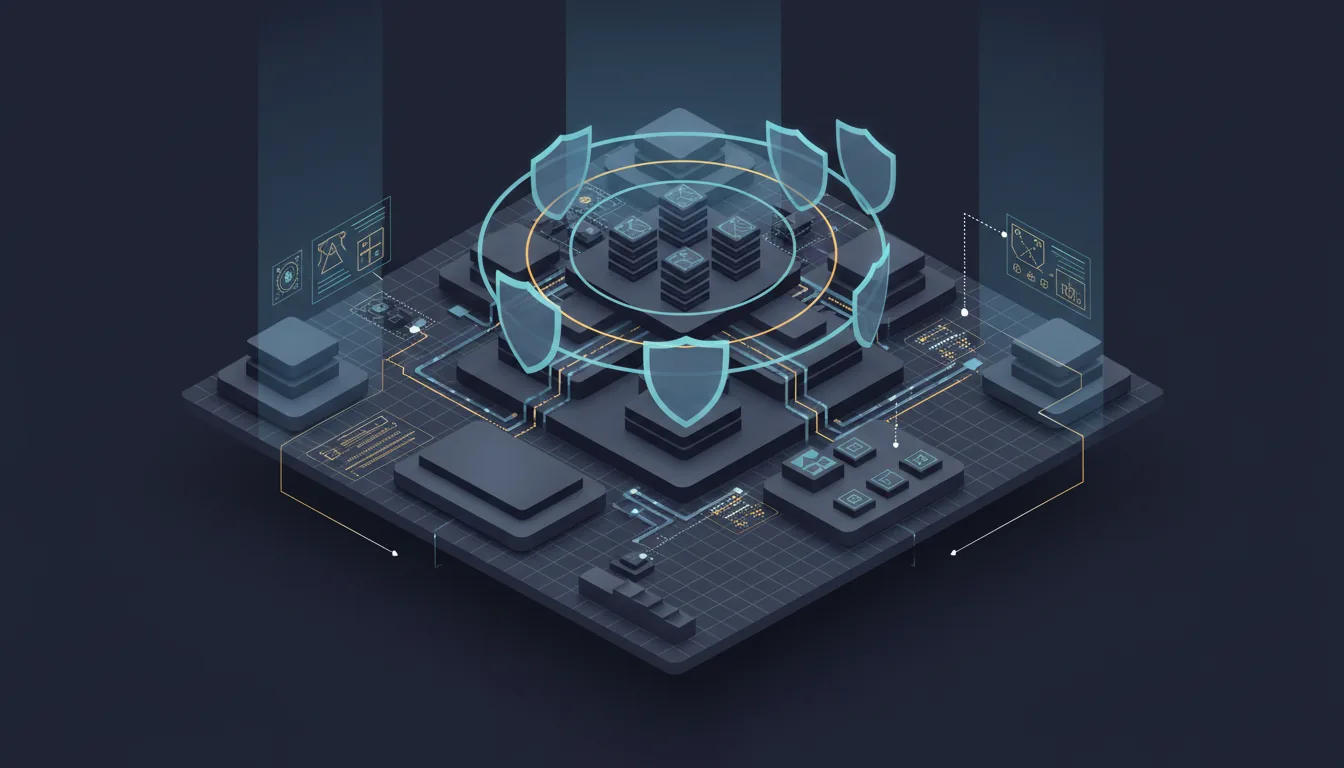
Security Posture turns the architecture diagram into a security discussion surface. It is designed for teams that need to evaluate network boundaries, service exposure, trust assumptions, and security controls before implementation hardens them.
Design
Prompt, code, pattern, or live context
Review
Cost, threat, scale, and compliance
Document
CoDocs, HyperDocs, and share links
Govern
Discovery, drift, and IaC continuity
Architecture-based review
Evaluate the shape of the system itself rather than treating security as an afterthought.
Framework-aware context
Bring OWASP, zero-trust, and control-focused thinking into architecture review.
Actionable remediation
Translate findings into architecture changes the team can actually discuss and implement.
How it works
The workflow behind Security Posture.
Each step exists to reduce time-to-clarity for technical teams without forcing them into a separate diagramming or documentation toolchain.
Step 1
Load the topology
Start from a current or proposed system architecture.
Step 2
Inspect exposure and trust
Review service boundaries, network placement, and control assumptions.
Step 3
Prioritize changes
Use the analysis to strengthen the design before release planning.
Best fit
Integrations
Outputs
Related features
Explore the rest of the workflow.
STRIDE-driven threat modeling
Threat Analyzer
Threat Analyzer applies structured threat modeling to architecture diagrams so teams can surface risk while design decisions are still reversible.
Framework-aware compliance review
Compliance
Compliance evaluates immutable evidence against framework controls without turning missing coverage into a pass or claiming certification.
Drift and governance visibility
Drift Detector
Drift Detector compares environments and IaC context so platform teams can see where architecture intent and deployed reality have diverged.
Next step
See Security Posture inside the full Architecto workflow.
Start on the free plan, then move from this feature into the larger architecture, review, and documentation flow when the team is ready.