STRIDE-driven threat modeling
Think like an attacker before the architecture reaches production.
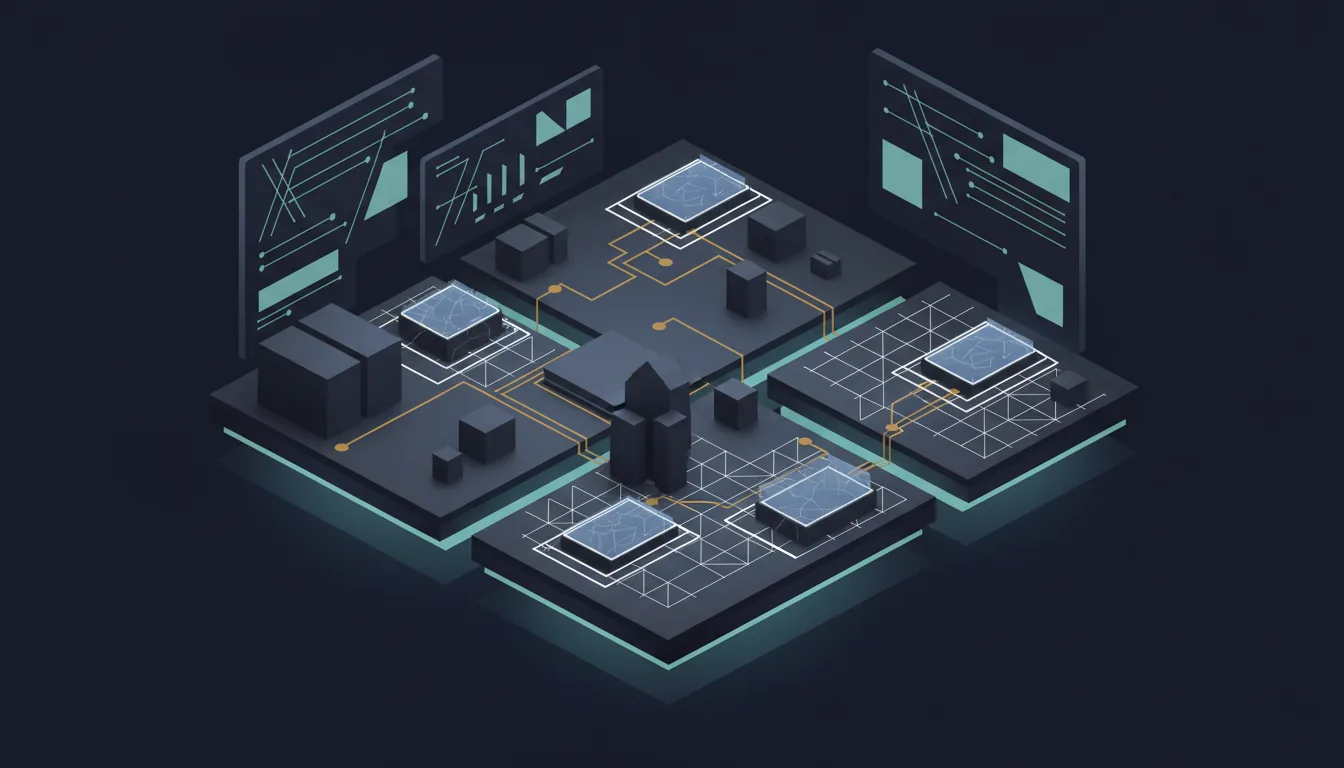
Threat Analyzer gives architecture reviews an adversarial lens. It is built around threat-modeling workflows that help teams expose risky paths, discuss mitigations, and communicate security concerns using the diagram they already understand.
Design
Prompt, code, pattern, or live context
Review
Cost, threat, scale, and compliance
Document
CoDocs, HyperDocs, and share links
Govern
Discovery, drift, and IaC continuity
Architecture-first threat modeling
Assess risk using the actual system design instead of an isolated spreadsheet exercise.
Pattern and saved-design input
Start from existing patterns or prior architectures to speed up analysis.
Credible remediation discussion
Use identified risks to guide design changes, stakeholder reviews, and security planning.
How it works
The workflow behind Threat Analyzer.
Each step exists to reduce time-to-clarity for technical teams without forcing them into a separate diagramming or documentation toolchain.
Step 1
Select the topology
Bring in a generated design, saved architecture, or known pattern.
Step 2
Analyze threat paths
Evaluate the architecture for adversarial exposure and structural weaknesses.
Step 3
Plan mitigation
Use the output to improve security posture and align teams on changes.
Best fit
Integrations
Outputs
Related features
Explore the rest of the workflow.
Security posture analysis
Security Posture
Security Posture helps teams review architectures against common risk models and zero-trust design expectations.
Framework-aware compliance review
Compliance
Compliance evaluates immutable evidence against framework controls without turning missing coverage into a pass or claiming certification.
Cloud cost planning
Cost Estimator
Cost Estimator turns architecture diagrams into provider-aware spend visibility so teams can evaluate trade-offs before implementation.
Next step
See Threat Analyzer inside the full Architecto workflow.
Start on the free plan, then move from this feature into the larger architecture, review, and documentation flow when the team is ready.